How a Lofta Sleep Study Can Help You Find the Right Sleep Apnea Solution

Waking up tired after what should have been a full night of sleep can be frustrating.
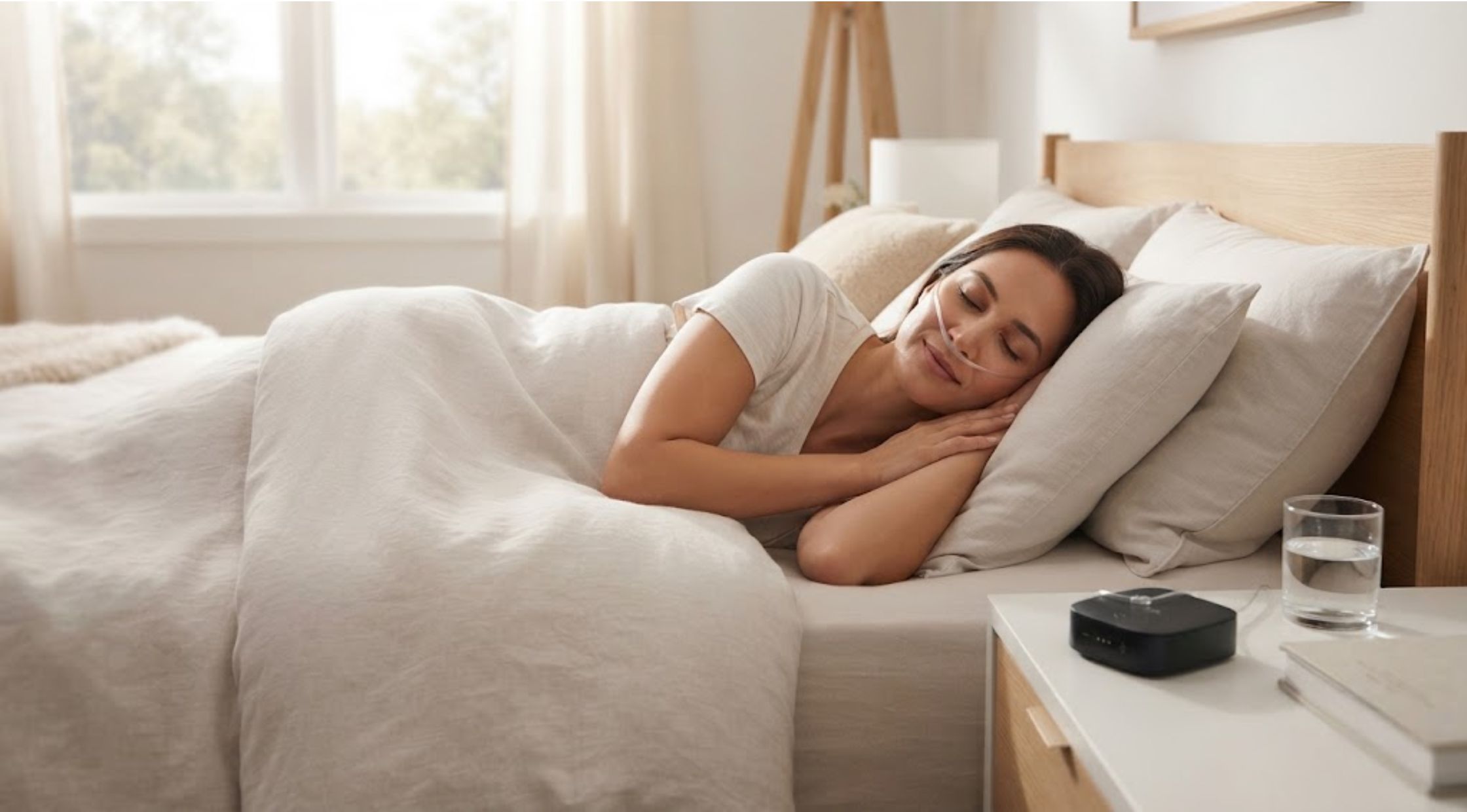
Waking up tired after what should have been a full night of sleep can be frustrating. If you regularly experience loud snoring, morning headaches, dry mouth, or excessive daytime tiredness, you may wonder whether poor sleep is more than just a bad habit.
One possible cause is sleep apnea, a condition in which breathing repeatedly stops or becomes restricted during sleep. The challenge is that many people do not realize what is happening because they are asleep when the symptoms occur.
A Lofta sleep study can provide a convenient way to collect information about your sleep from home. If testing indicates sleep apnea, understanding your results can help you discuss appropriate treatment options with a qualified healthcare professional, including whether a sleep apnea machine may be suitable for you.
Why Poor Sleep Can Be Difficult to Understand
Not every restless night means you have sleep apnea. Stress, an inconsistent sleep schedule, alcohol, congestion, and other factors can all affect sleep quality.
However, recurring symptoms may deserve further attention.
Common signs can include:
- Loud or persistent snoring
- Gasping or choking during sleep
- Frequent nighttime awakenings
- Morning headaches
- Difficulty concentrating during the day
- Feeling unusually tired despite spending enough time in bed
- Waking with a dry mouth
Because many of these symptoms can have multiple causes, it is important not to assume that sleep apnea is responsible without appropriate evaluation.
What Causes Sleep Apnea?
Sleep apnea can occur for different reasons. Obstructive sleep apnea, for example, happens when the upper airway becomes blocked or narrowed during sleep. This can interrupt normal breathing and repeatedly disturb your sleep.
These interruptions may be brief enough that you do not remember waking up, but they can still affect sleep continuity.
Lifestyle factors, anatomy, age, and other health considerations can influence the likelihood of developing sleep apnea. That is why proper evaluation is important before deciding whether a sleep apnea machine or another treatment approach is appropriate.
How a Lofta Sleep Study Can Help
One of the biggest barriers to addressing possible sleep apnea is getting tested. Some people associate sleep testing with spending an entire night in a laboratory, which can make the process feel inconvenient.
A Lofta sleep study is designed around at-home testing, allowing eligible users to collect sleep-related information in their own environment. The information gathered during testing can help healthcare professionals evaluate whether further assessment or treatment may be appropriate.
At-home testing can be particularly appealing to people who want a more convenient first step toward understanding their sleep.
However, an at-home test is not appropriate for everyone. If you have significant symptoms or certain medical circumstances, a healthcare professional may recommend a different type of evaluation.
Practical Steps Before Choosing a Sleep Apnea Treatment
If you suspect that sleep apnea may be affecting your sleep, avoid immediately purchasing equipment based solely on symptoms. Instead, take a structured approach.
1. Track Your Symptoms
Keep notes about your sleep and daytime experiences. Record how often you snore, whether someone has noticed breathing interruptions, and how you feel after waking.
2. Consider a Sleep Evaluation
Testing can provide objective information that is much more useful than guessing based on symptoms alone. A Lofta sleep study may be one option for eligible individuals seeking an at-home assessment.
3. Discuss Your Results With a Professional
Sleep-test results should be interpreted in context. A qualified healthcare professional can help explain what the findings mean and whether treatment is recommended.
4. Look at the Full Range of Options
Treatment depends on the type and severity of sleep apnea and individual circumstances. Options can include lifestyle changes, positional strategies, oral appliances, positive airway pressure therapy, or other approaches.
When Might a Sleep Apnea Machine Be Considered?
For people diagnosed with obstructive sleep apnea, positive airway pressure therapy is a commonly used treatment. A sleep apnea machine, such as a CPAP or another PAP device, works by delivering pressurized air through a mask to help keep the airway open during sleep.
The appropriate device and settings depend on individual needs. This is why buying a machine without proper evaluation or guidance is not the best approach.
Comfort can also influence whether someone consistently uses their equipment. Mask fit, pressure settings, humidification, noise levels, and overall usability can all affect the experience.
If treatment is recommended, take time to understand how the equipment works and follow the guidance provided by your healthcare professional.
Benefits of Finding the Right Solution
Addressing suspected sleep apnea is about more than simply buying a device. The goal is to identify the underlying problem and choose an appropriate solution.
Better Understanding of Your Sleep
Testing can replace guesswork with useful information about what may be happening while you sleep.
A More Structured Treatment Plan
Once sleep apnea is confirmed, you can work with a professional to determine which treatment makes sense for your situation.
Greater Convenience
At-home testing may make the evaluation process easier for eligible users who would otherwise postpone getting tested.
Improved Treatment Confidence
Understanding why a particular treatment is recommended can make it easier to use consistently and make informed decisions about your sleep health.
Choosing a Premium Sleep Solution Carefully
A premium solution should not simply be the most expensive option. Instead, consider whether it addresses your specific needs and is supported by appropriate professional guidance.
For someone who has completed a Lofta sleep study and received a diagnosis requiring PAP therapy, factors such as comfort, mask compatibility, portability, maintenance, and ease of use may be more important than unnecessary features.
Similarly, someone who has not yet been diagnosed should focus first on appropriate testing rather than purchasing a sleep apnea machine based only on symptoms.
The best solution is one that fits your circumstances and can realistically become part of your long-term routine.
Conclusion: Take the Guesswork Out of Better Sleep
Persistent snoring, daytime fatigue, or disrupted sleep should not simply be dismissed as normal. While these symptoms do not automatically mean you have sleep apnea, they can be a reason to speak with a healthcare professional.
For eligible individuals, a Lofta sleep study can offer a convenient way to begin evaluating possible sleep-related breathing problems from home. If testing confirms sleep apnea, a professional can help determine whether a sleep apnea machine or another treatment option is appropriate.
Rather than guessing or buying equipment too quickly, start with information, proper evaluation, and professional guidance. Understanding what is affecting your sleep is the first step toward making a smarter and more informed decision.